
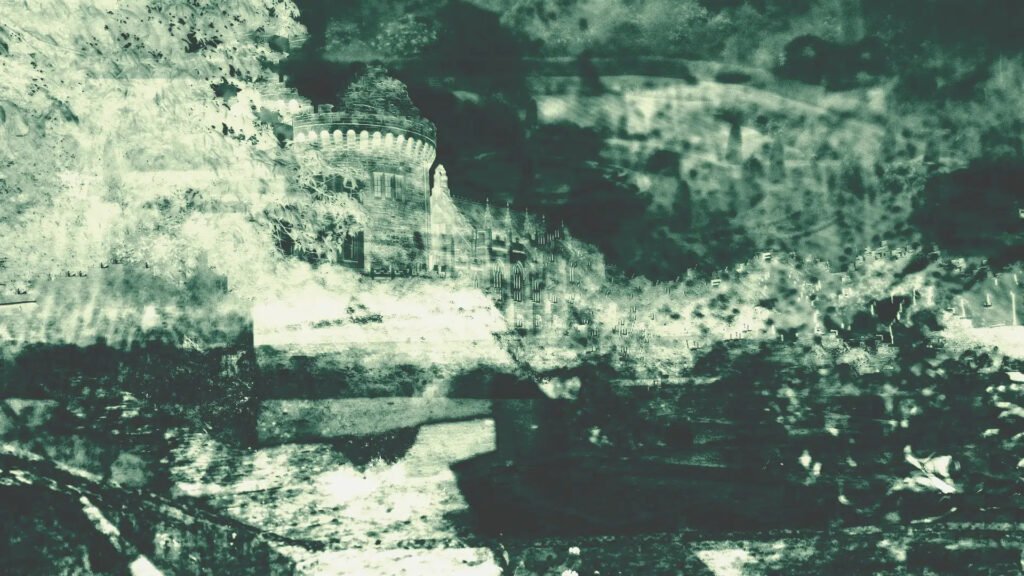
In a burst of celestial light, Faraz Doom—the Dark Sword, Empire Ender, Master of Darkness, and King Killer—was no more. Milnus Brandybottom fell to his knees, the Gauntlets of Igamus still bleeding light like the first rays of sun after a storm. The one-time farmhand had been through so much to reach this moment. He had lost his mentor, his town, countless loved ones, and his own innocence. He had been knighted, trained, betrayed, and rescued. He had fought, even when things were at their most dire.
He had suffered, but he had succeeded.
In the end, it was all worth it. Goodness prevailed, and evil was vanquished. Tyranny would no longer have a place in this world, and the meek would finally inherit the place they had always been promised.
Milnus stared across the battlefield. Thousands lay dead on either side, but the bannermen were already rallying around his victory. He had lost friends this day, but their efforts had changed history.
The hero allowed himself to cry for the first time in years. He had earned it. In the wake of evil’s destruction, the future looked as bright as his gauntlets had in that final, fatal strike.
He couldn’t wait to see what wonders lay ahead.
Seventy-three Years Later
“I heard it was all propaganda—stories made up by the King’s son to gain popularity among the small folk.”
“Probably! Did you know that Farenz was actually a former King’s guard and that he was trying to stop the prince before his power grab? His supposed slaughter of the royal family was just a false flag, and he was framed by King Arnold, who, of course, wasn’t even next in line for the throne. I find it mighty convenient that Arnold somehow avoided injury while the rest of the royal line was being wiped out.”
Milnus looked up from his rocking chair and studied the two men on the road near his homestead. They were skinny, pale, and clearly used to the comfort he had fought to give them so long ago. He found their words frustrating but was used to the ironic jibes of those who hadn’t been around to face what he had.
Milnus had grown tired of rebuking every ignorant comment but found himself calling out to the travelers anyway.
“Prince Arnold was five years old when his family was slaughtered. He only survived because he had hidden in the folds of his mother’s ballgown…” Milnus trailed off, remembering both the child he had protected and the king that child would eventually become. Arnold had been a friend, and the farmhand-turned-knight would miss the late king as much as he did the golden age he ushered.
This newer, stranger, post-golden age, though…
“Shut up, old man,” said the traveler on the darker horse. “People your age believed whatever they heard. You listened to the criers unquestioningly and took arms against a side you refused to entertain. One day, your mistakes will be corrected.” He paused. “I only pray you’re around to see it.”
Milnus opened his mouth, but the words wouldn’t come. He had seen the horrors of Faraz Doom and the evil men who marched beneath him. He had smelled the burning villages, held the dying children, inspected the “work camps” that his wicked army left behind. To hear someone deny it all with such certainty—not even in jest—struck him harder than any war injury ever had.
The dark horse traveler turned to his friend, misreading his confident ignorance as victory. “C’mon, Diprun, we’re going to be late.”
Late? Milnus thought, watching them go. What morally bankrupt locus would entertain men so evil?
Curious, Milnus rose from the quiet place on his porch. He would be no threat to these travelers at his age, but he hoped to see them rebuked once they reached town.
He gingerly retrieved his old mare from the stable and fought to climb on.
“This used to be easier for both of us, huh?” he asked the horse. Was this the fourth or the fifth generation from the one he had ridden into battle all those years ago? Milnus didn’t know, but it had been at least five years since he had ridden at all.
Today warranted it, though.
Slow, plodding, the old horse and older rider followed the road to Dalvrst, the nearest town, a sanctuary that had rebuilt itself well in the decades following the war. The two travelers were long gone, but other, similarly dispositioned young men soon joined Milnus on the road.
Who are these people? he wondered. Are they citizens of the Kingdom, the progeny of the world we fought for?
Is this what we are now?
At length, Milnus reached Dalvrst, and what he saw took him back to another age. The town—normally a soft melting pot of merchants, musicians, and pilgrims from the borderlands—was packed end-to-end with pale, pasty faces. There were occasional splashes of color thrown into the mix, but Milnus saw none of the normal crowd here today.
It’s almost like they’re hiding, he thought.
At the entrance, Milnus greeted a shopkeeper he knew. The burly, middle-aged woman was slinging wares to the influx of new visitors, and business was clearly booming.
“What is this?” he asked, nodding at the crowd.
“Milnus!” the woman exclaimed. “Isn’t this great!? This is exactly what Dalvrst needs! With any hope, this crowd’ll stick around for a while!”
“But… does anything about them strike you as… odd?”
The shopkeeper appeared to consider this, then shrugged instead. “I try not to get political.”
Political?
Bemused, Milnus followed the crowd to where they congregated and measured the men who addressed them.
They didn’t wear long black coats adorned in crimson sashes. They were free from their trademark plague-doctor masks. They lacked the cold uniformity of the enemies he had once fought.
The rest, though—the crowd, the rhetoric, the energy of the place—felt how occupied cities felt in the darker days.
“We will root out those that live like vermin across our lands!” one of the men yelled.
The crowd roared with approval.
“We will maintain our cultural identity,” boomed another. “Those who don’t assimilate only poison the blood of this kingdom!”
The crowd screamed their agreement.
For the first time, Milnus recognized one of the faces in this crowd. Then, he recognized another. There was Aldric, the local blacksmith, and Elira, the tavern owner. Elsewhere was the Ravenshire family, complete with their six children, all shouting along. There was the herbalist, and there was the tanner. There was the carpenter, and there, the weaver. Milnus took in their faces, and his heart broke anew with every sight.
Faraz Doom was gone, but his brand of evil had rekindled. In retrospect, Milnus should have seen this coming years ago. The jokes, the bad-faith arguments, the hatred toward the town criers—each had been a crack in this post-golden, post-truth world Milnus was now trapped in.
“No,” the old man whispered. No. He had fought these monsters—these Doomsayers—in his youth, and he would fight them again, even at ninety. Turning around, the old knight began the ride back to his homestead.
Milnus Brandybottom had a pair of gauntlets to retrieve.
Leave a Reply
Log in or Join the Crew to leave a comment.